
-
Facial Aesthetics & Skin Health
- Acne Bootcamp Treatment in Algonquin, IL
- HydraFacial
- RF Skin Tightening in Algonquin, IL
- Dermaplaning
- Facial Spa in Algonquin, IL
- Chemical & Biostimulating Peels
- Custom and Organic Facials
- Skin Care Clinic in Algonquin, IL | Catara Med Spa
- Facial Rejuvenation – RF Microneedling
- Glassy Skin Treatment in Algonquin, IL
- Skin Perfecting Treatment
- Teeth Whitening in Algonquin, IL
- Injectables
- Laser Treatments
-
Health & Wellness
- Emsella Pelvic Floor Therapy in Algonquin, IL
- Emsculpt Recovery in Algonquin, IL at Catara Med Spa
- Weight Loss in Algonquin, IL | Catara Med Spa
- Muscle Recovery with Emsculpt Neo in Algonquin, IL
- Columbian Wood Therapy
- Nutritionist PCOS, Thyroid & Weight Loss
- Corporate Wellness Program in Algonquin, IL at Catara Med Spa
- Shop Products
- Payment Plans
- Purchase Gift Cards
- Skincare & Wellness Articles

Feel Better with an Anti Inflammatory Diet Nutritionist in Algonquin, IL
Ever feel tired for no reason? Like you're doing the right stuff eating "healthy," walking when you can but still feel bloated, foggy, or just off?
Discover the Power of Anti-Inflammatory Nutrition in Algonquin, IL
You’re not alone. A lot of people around Algonquin, IL feel the same. And it’s not because they’re lazy or doing something wrong. It’s often inflammation.
Many people in Algonquin, IL and nearby towns are struggling with low energy, stubborn weight, or ongoing inflammation without realizing food could be the key. At Catara Med Spa, support from an experienced anti inflammatory diet nutritionist helps clients reduce inflammation, improve digestion, and feel like themselves again — without strict diets or confusing plans.
This isn’t about counting calories. This is about incorporating anti-inflammatory foods that support the body — so clients can feel better without the stress.
What Does an Anti Inflammatory Diet Nutritionist Do?
An anti inflammatory diet nutritionist helps identify the foods and habits that trigger inflammation and create discomfort.
At Catara Med Spa in Algonquin, IL, the nutritionist:
- Cuts out foods that make things worse (like added sugar, processed snacks, and dairy)
- Adds foods with anti-inflammatory properties that help reduce inflammation
- Looks at the full picture, not just meals — including sleep, stress, and movement
- Personalizes the plan to fit each client’s day, family needs, and cravings
The goal is to make things simple and realistic. No trendy meal plans or rules. Just real food that works for real life.

Why Most Diets Don’t Work (and Why Anti-Inflammatory Eating Does)
Jen from Crystal Lake, IL came to Catara Med Spa feeling exhausted, bloated, and frustrated. She thought she was eating healthy — but still felt awful.
Turns out, even “clean” snacks and smoothies were triggering low-grade inflammation. Once her nutrition plan was adjusted to combat inflammation, the change was clear: less bloating, better skin, and improved sleep.
She didn’t follow a trendy diet. She focused on her overall health with a plan tailored to her body — and it worked.

Signs You Might Need an Anti Inflammatory Nutrition Specialist
Clients who benefit most from anti-inflammatory nutrition often have one or more of the following:
- Waking up tired despite sleeping enough
- Brain fog or difficulty focusing
- Bloating after meals
- Unexplained breakouts or redness
- Weight gain without major changes in diet
- Aches and pains, especially with arthritis or similar conditions
These aren’t “just getting older.” They’re signs the body may be inflamed. A personalized food plan can help alleviate many of these symptoms.

What to Expect: Personalized Support That Fits You
Working with an anti-inflammatory diet nutritionist means getting real support that matches each client’s routine and lifestyle.
Here’s how it works:
- A conversation about daily routines, health concerns, and current food choices
- A personalized plan that includes anti-inflammatory foods and simple swaps
- Ongoing adjustments to reflect how the client’s body responds
Clients experience support, not shame. No complicated tracking. No all-or-nothing rules.

Local Anti Inflammatory Diet Nutritionist in Algonquin, IL
Catara Med Spa has supported clients from Algonquin, Crystal Lake, Carpentersville, and Lake in the Hills, IL since 2014. As a trusted weight loss service, the team understands that reducing inflammation can promote better energy, digestion, and body confidence.
Tim from Lake in the Hills, IL struggled with constant brain fog. After working with the nutritionist and adjusting his diet to promote gut and brain health, he said, “I haven’t touched coffee in days.”

Reviews From Real People
“I thought it was IBS. Turns out I was reacting to food. Cathy helped me clean it up. Now I actually enjoy meals again.”
— Amanda S., Carpentersville, IL
“This plan didn’t just help my skin — it helped me feel calmer. I used to get random hives all the time. Now I don’t.”
— Rachel L., Algonquin, IL
“The biggest difference? Someone who listened. Cathy made a plan that fit my weird work hours. That made it stick.”
— Chris M., Crystal Lake, IL
Foods That Help Reduce Inflammation
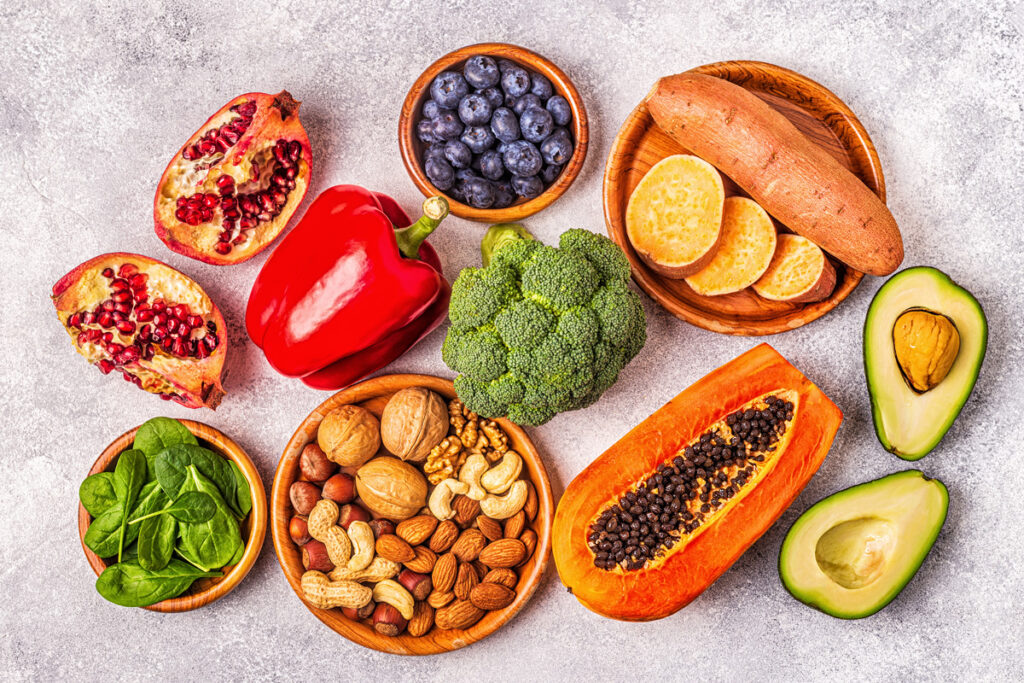
Healing starts with simple food changes. Anti-inflammatory foods often used in plans include:
- Leafy greens (spinach, kale)
- Berries (blueberries, strawberries)
- Fatty fish (salmon, mackerel)
- Olive oil
- Turmeric and ginger
- Sweet potatoes
- Avocados
- Nuts and seeds
These foods help reduce inflammation and give the body the nutrients it needs to repair and function.
Seasonal Advice: Fall and Winter Slumps
Inflammation often flares up more in the colder months. In Algonquin, IL, comfort foods and shorter days can make people feel sluggish.
Adding warm, seasonal anti-inflammatory meals like soups, stews, and roasted vegetables can help alleviate symptoms and improve overall energy.
A seasonal plan built by a nutritionist can prevent burnout before it starts.

Is Working With a Nutritionist Right for You?
This service is a good fit for anyone who is:
- Tired of confusing diet advice
- Struggling with pain, fatigue, or bloat
- Ready for food-based solutions that actually help
An anti inflammatory diet nutritionist will provide a path that supports long-term health, not short-term fixes.

FAQs
What is an anti-inflammatory diet and how can a nutritionist support it?
An anti-inflammatory diet focuses on foods that reduce inflammation in the body, which can help alleviate symptoms of various chronic diseases. A nutritionist can support this diet by providing personalized meal plans, educating clients on anti-inflammatory foods, and guiding them on how to avoid pro-inflammatory ingredients.
How can a clinic assist with anti-inflammatory diet plans?
A clinic specializing in nutrition can assist individuals by offering assessments and consultations that cater to their specific health needs. They often have nutritionists who can create tailored anti-inflammatory diet plans, monitor progress, and make necessary adjustments based on individual responses to the diet.
What foods should be included in an anti-inflammatory diet?
Foods that should be included in an anti-inflammatory diet are leafy greens, nuts, fatty fish, berries, and olive oil. These foods are rich in antioxidants and healthy fats that help combat inflammation. A nutritionist can help you incorporate these foods into your meals effectively.
What are the benefits of working with a nutritionist for an anti-inflammatory diet?
Working with a nutritionist can provide numerous benefits, including expert guidance on food choices, meal planning, and understanding the science behind an anti-inflammatory diet. This professional support can enhance adherence to the diet, leading to better health outcomes.
Are there any foods to avoid on an anti-inflammatory diet?
Yes, it's essential to avoid foods that can promote inflammation, such as processed sugars, refined carbohydrates, and trans fats. A nutritionist can help identify these foods and suggest healthier alternatives to ensure you stay on track with your anti-inflammatory diet.
How long does it take to see results from an anti-inflammatory diet?
The time it takes to see results can vary depending on the individual and their specific health conditions. Generally, many people may start to notice improvements within a few weeks of adhering to an anti-inflammatory diet, especially when supported by a nutritionist who can optimize dietary choices.
Can an anti-inflammatory diet support weight loss?
Yes, an anti-inflammatory diet can support weight loss as it encourages the consumption of whole, nutrient-dense foods while reducing processed foods. A nutritionist can help design a meal plan that not only reduces inflammation but also facilitates weight loss and overall wellness.
How can I maintain an anti-inflammatory diet long-term?
To maintain an anti-inflammatory diet long-term, it's crucial to develop healthy habits around food choices and meal planning. Regular check-ins with a nutritionist can help keep you accountable and motivated, ensuring you continue to prioritize anti-inflammatory foods in your diet.


Book a Free Consult With a Specialist
Stop guessing. Start feeling better.
Catara Med Spa
Address:308 S. Main Street, Algonquin, IL 60102
Phone: (847) 658-1300
Virtual visits available
Free consultations available to discuss goals, symptoms, and possible next steps.